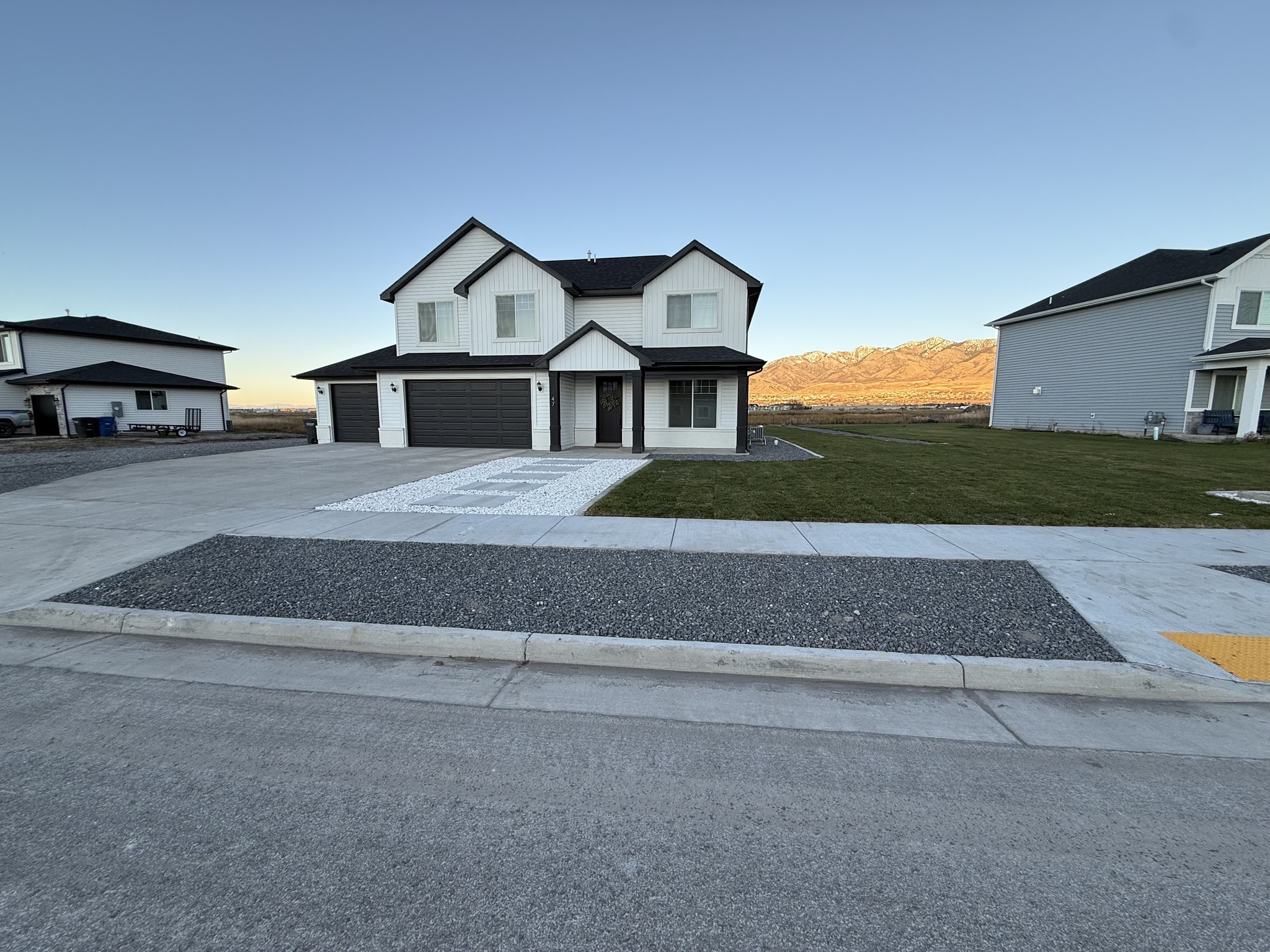
Shaping the Landscape: TNB Land Management's Approach to Sustainable Excavation Jul 23, 2026
Excavation, at its core, involves removing earth to shape landscapes for various needs such as building foundations, road construction, or laying utilities. Traditional excavation methods can be quite invasive, often leading to soil erosion, disruption of local wildlife, and adverse environmental impacts. However, TNB Land Management has redesigned their strategies to minimize such effects. By incorporating sustainable techniques, they strive to reduce the carbon footprint and ensure that the land remains viable for future use.
One of the key practices at TNB Land Management involves detailed planning and site analysis before the excavation begins. This planning stage involves evaluating the land’s existing conditions, understanding its ecosystem, and consulting with environmental experts. By doing so, TNB Land Management ensures that their excavation work aligns with environmental compliance and respects local conservation laws.
Moreover, TNB Land Management utilizes advanced technology and equipment to carry out their projects efficiently. Using cutting-edge machinery not only improves precision but also reduces waste and energy consumption. This focus on technology allows for more accurate excavation, which means less disturbance to the surrounding area. GPS and GIS systems are just some of the technologies employed to ensure that every project is executed with utmost precision.
The use of recycled materials is another aspect where TNB Land Management shines. Instead of introducing entirely new materials to a site, they prioritize reusing what is already available. This not only reduces costs for their clients but also lessens the environmental impact. By recycling soil and rock, for example, TNB successfully reduces the need to transport new materials from other locations, thus minimizing traffic and fossil fuel consumption.
Furthermore, TNB Land Management pays special attention to managing water on and around excavation sites. Given that water can easily erode exposed areas, strategic water management is crucial. Techniques such as water diversion and the use of vegetation cover help to stabilize the soil during and after the excavation process. This proactive approach not just protects the landscape but also preserves the integrity of nearby water bodies.
An often-overlooked aspect of excavation is the importance of restoring the land post-project. TNB Land Management’s commitment to sustainable excavation includes comprehensive land rehabilitation. After the primary excavation tasks are completed, they take steps to restore the landscape to a more natural state. This involves replanting native vegetation and using natural materials to reintegrate the site seamlessly with its surroundings.
For anyone seeking reliable, environmentally responsible excavation services, TNB Land Management stands out as a leader. By prioritizing sustainability, they offer clients the best of both worlds: precise and effective excavation solutions that respect and preserve our planet’s natural resources.
Choosing a company like TNB Land Management for excavation needs means investing not just in today’s infrastructure, but also in a healthier, more sustainable tomorrow. By aligning construction goals with ecological balance, they are truly shaping the landscape in the most beneficial way possible.
/filters:no_upscale()/filters:format(webp)/media/7c3fcdd9-4094-41dd-afbd-18d671ea6baa.jpg)